What Is Roadside Assistance Coverage?
Roadside Assistance Cover Explained for UK Drivers
A flat battery in a supermarket car park is one thing. Breaking down on a dark A-road with passengers in the car is something else entirely. That is why many drivers ask, what is roadside assistance cover, and whether it is worth having before they actually need help.
In simple terms, roadside assistance cover is a service that helps you when your vehicle cannot continue its journey due to a breakdown, minor fault, or similar problem. The aim is to get you moving again at the roadside if possible. If that cannot be done safely, the next step is usually recovery to a garage, your home, or another agreed location, depending on the level of cover you have.
That sounds straightforward, but the detail matters. Not all policies cover the same situations, and not all breakdown help works in the same way. If you are comparing cover for personal use, fleet vehicles, trade operations, or regular long-distance driving, the difference between basic and more complete assistance can be significant.
What is roadside assistance cover and what does it usually include?
Most roadside assistance cover is built around one core promise: if your vehicle becomes immobile due to a mechanical or electrical issue, help is sent out. In many cases, that means a trained technician or recovery operator attends the scene, checks the fault, and tries to carry out a roadside repair.
Typical support often includes battery jump-starts, help with punctures if you have a usable spare, assistance after misfuelling, lockout help, or recovery when the vehicle simply will not restart. Some providers also include towing after an accident, while others treat accident recovery as a separate service.
This is where drivers can get caught out. The phrase "roadside assistance" sounds broad, but what is covered depends on the policy wording, the age and type of vehicle, and where the breakdown happens. A basic package may only cover roadside attendance a certain distance from your home. A more complete package may include home start, onward travel, national recovery, or overnight accommodation if the vehicle cannot be repaired quickly.
For trade customers, the same principle applies. A garage, dealer, or fleet operator may have breakdown support in place, but the real value lies in how quickly the vehicle is attended, whether safe recovery is available, and whether the provider can handle anything from a stranded van to a time-sensitive dealer transfer.
The difference between roadside assistance and recovery
People often use these terms interchangeably, but they are not exactly the same.
Roadside assistance usually refers to the first response. Someone comes out to inspect the vehicle and attempt a fix there and then. If the issue is minor, that may be enough. A flat battery, loose connection, or simple electrical fault can sometimes be sorted on the spot.
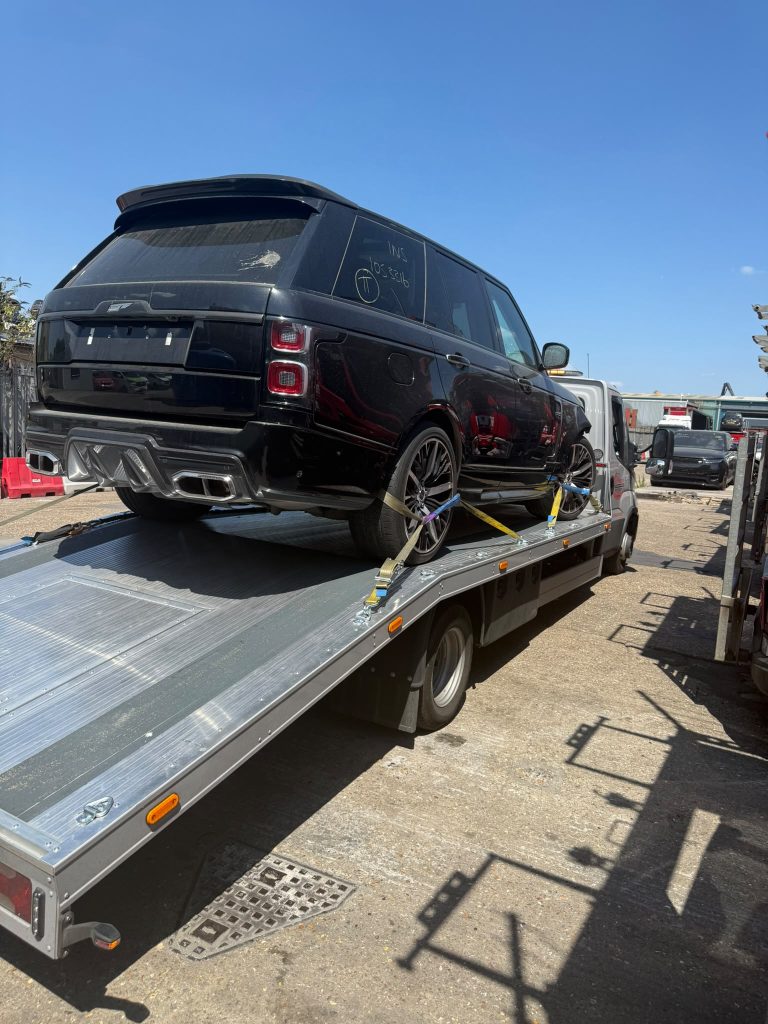
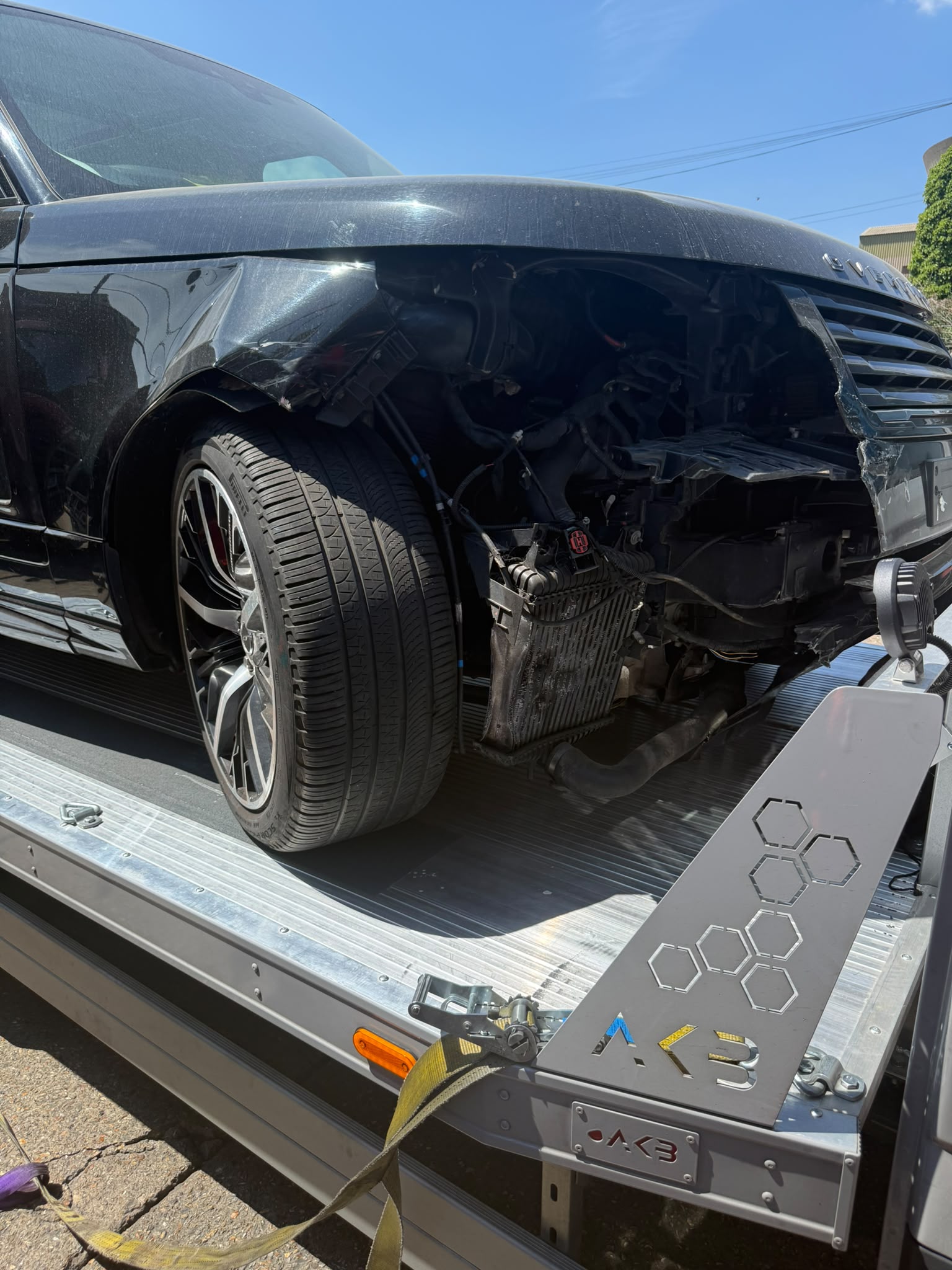
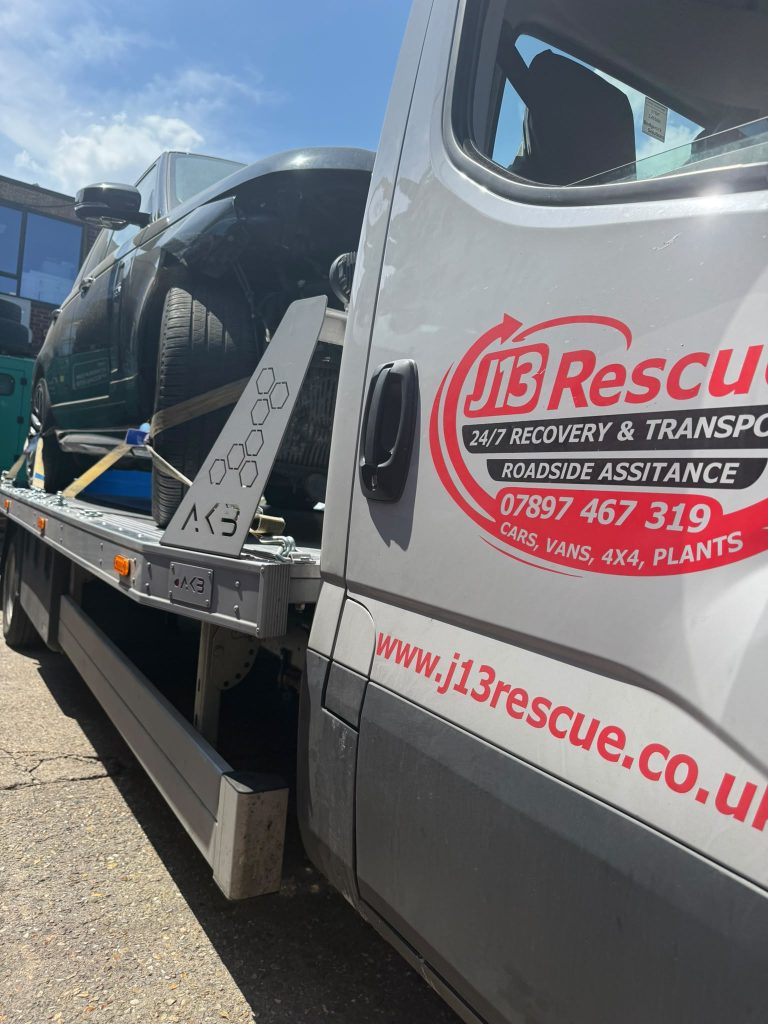
Recovery comes into play when the vehicle cannot be repaired safely at the roadside. The vehicle is then transported elsewhere. That might be your chosen garage, a local repairer, your home address, or another destination allowed under your cover.
This distinction matters because some lower-cost policies focus on roadside attendance but place limits on towing distance or destination. Others offer full national recovery, which is more useful if you travel regularly for work, transport vehicles for sale, or operate across a wider area.
What roadside assistance cover does not always include
The quickest way to understand the value of a policy is to look at what it leaves out.
Tyres are a good example. If you have a puncture and a serviceable spare wheel, roadside help may fit it. If you do not carry a spare, or your locking wheel nut is missing, the situation can become a recovery job rather than a quick roadside repair. The same applies to electric vehicles with specific recovery requirements, vehicles that have not been serviced properly, or faults linked to neglected maintenance.
Fuel problems are another grey area. Running out of fuel may be covered, but the provider may only deliver enough to get you to a filling station, and there may be an extra charge. Misfuelling is sometimes included, sometimes not.
There can also be exclusions based on vehicle use. A private car used for normal domestic driving may be covered differently from a courier van, taxi, trade plate vehicle, or transporter. Weight limits, size restrictions, and commercial use clauses all need checking.
Then there are the practical limits. A provider may cover attendance but not parts, replacement tyres, workshop labour, ferry costs, or storage charges. In other words, roadside assistance often pays for the help and movement of the vehicle, not the full repair bill.
What if you don't have roadside assistance cover?
Not having roadside assistance cover does not mean you are stranded. If your vehicle breaks down and you are not covered by a breakdown policy, you can still contact a local recovery company directly and arrange a one-off call-out.
For many motorists, this can actually be the quickest solution. Instead of checking policy documents or waiting to confirm what is covered, you simply explain the situation, receive a quotation, and arrange immediate assistance.
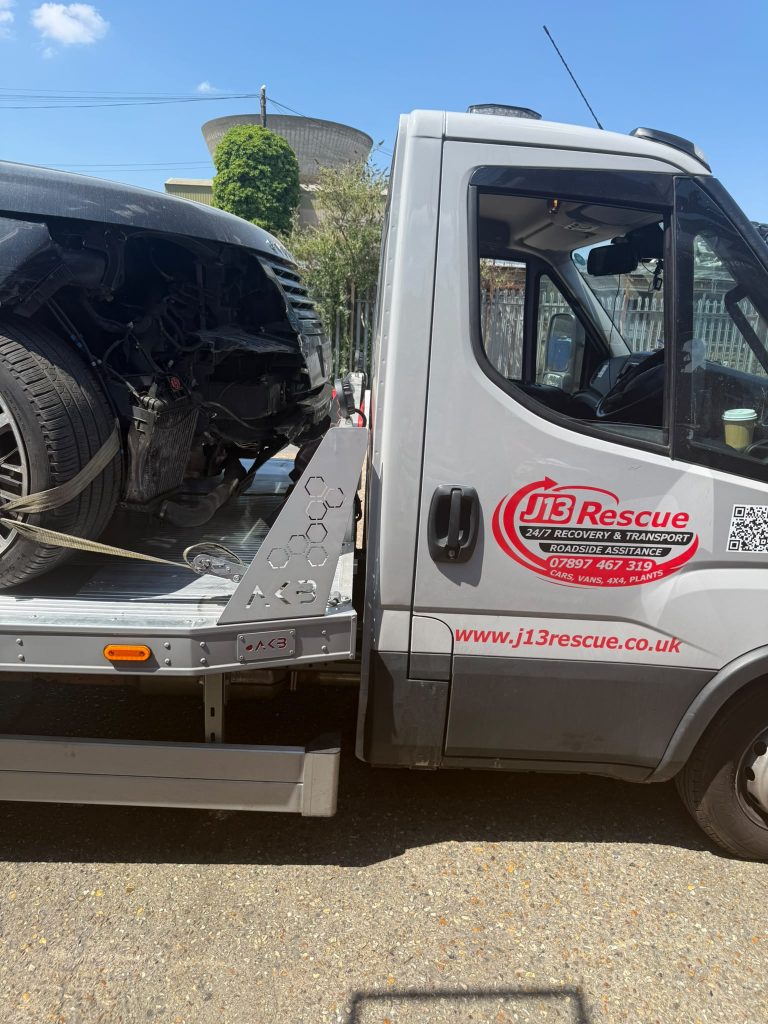
Companies such as J13 Rescue provide pay-as-you-go roadside assistance and vehicle recovery for drivers who need help without an existing breakdown membership. Whether it's a flat battery, a non-start, or full vehicle recovery, professional help is still available when you need it most.
When roadside assistance cover is worth having
If your driving is mostly local, you might be tempted to treat breakdown cover as optional. Sometimes that works fine - until it does not. A vehicle failure rarely happens at a convenient time or in a safe place.
Roadside assistance is usually worth having if you rely on your vehicle daily, carry children or passengers regularly, drive early or late, or travel on motorways and rural roads where waiting without support can be stressful and unsafe. It also becomes more valuable as vehicles age, especially once batteries, tyres, and electrical components are more likely to fail without warning.
For businesses, the case is even clearer. Downtime costs money. A missed delivery, a stranded customer vehicle, or a delayed collection can affect schedules and reputation quickly. For fleet and trade users, dependable roadside and recovery support is not just about convenience. It is part of keeping operations moving.
Choosing the right level of cover
The right cover depends on how and where the vehicle is used.
If you only need occasional protection close to home, basic roadside assistance may be enough. If the vehicle often sits unused and then does short local runs, adding home start makes sense because battery issues are common. If you travel across the UK for work or long family journeys, national recovery is usually the more sensible option.
For commercial users, the questions are more operational. Does the provider cover vans and light commercial vehicles? Can they deal with time-critical recoveries? Is support available 24/7, including weekends and bank holidays? If a vehicle needs moving from a roadside location to a dealer, workshop, or storage site, can the same provider handle that without delay?
This is where local responsiveness and trade-grade capability matter. A fast answer on the phone is useful, but it is the actual ability to attend, load, recover, and transport safely that makes the difference when time is tight.
What to check before you buy or rely on a policy
The policy wording matters more than the headline price.
Check whether cover applies to the vehicle, the driver, or both. Some policies follow the car. Others cover you in any eligible vehicle. Check call-out limits, towing distance, excluded faults, and whether assistance starts immediately or only after a waiting period. It is also worth checking whether there are restrictions on older vehicles, modified vehicles, or vehicles used for business.
Response time promises should be read carefully too. No serious operator can guarantee an exact arrival time in every situation, because traffic, weather, location, and demand all affect dispatch. What matters is whether the provider has realistic coverage, proper equipment, and clear communication when you are waiting at the roadside.
If you run a business, ask practical questions rather than general ones. Can they support multiple vehicles? Is account work available? Can they handle planned transport as well as emergency recovery? That level of consistency matters far more than a low monthly figure that falls apart when you need real support.
Roadside assistance cover in real-world terms
The best way to think about roadside assistance cover is this: you are not only paying for a tow or a jump-start. You are paying for access to help when the vehicle cannot continue and you need a clear next step quickly.
Sometimes the outcome is simple and inexpensive - a restart, a wheel change, a short roadside repair. Sometimes it is a full recovery because the fault is more serious or the location is unsafe. The value is in reducing delay, risk, and uncertainty when plans have already gone wrong.
For drivers in and around Newbury, Berkshire, and the wider UK, that practical support matters far more than marketing language. A good roadside assistance service should be easy to reach, clear about what happens next, and capable of dealing with the situation properly from first call to safe recovery. Providers such as J13 Rescue are built around that kind of immediate response and operational reliability.
Before you choose any cover, think about the journeys you actually make, the vehicle you rely on, and what a breakdown would really cost you in time, disruption, and stress. That usually gives you a far better answer than the cheapest quote ever will.